Social Security at 62

31% of women and 27% of men tapped into Social Security at age 62.

FIDELITY VIEWPOINTS – 07/28/2020 7 MIN READ

You can start collecting your Social Security retirement benefits at any age from 62 to 70, and when you do so affects how big the checks will be. Start earlier, and you’ll receive smaller checks; delay, and you’ll receive bigger ones.

Key takeaways

  • If you claim Social Security at age 62, rather than wait until your full retirement age (FRA), you can expect up to a 30% reduction in monthly benefits.
  • For every year you delay claiming Social Security past your FRA up to age 70, you get an 8% increase in your benefit. So, if you can afford it, waiting could be the better option.
  • Health status, longevity, and retirement lifestyle are 3 variables that can play a role in your decision when to claim your Social Security benefits.
  • After you reach full retirement age, you have the option of temporarily suspending your benefits. During a suspension you can rack up delayed retirement credits, which will increase your eventual payments.

When it comes to Social Security, it is tempting to take benefits as soon as you’re eligible at age 62. In 2018, 31% of women and 27% of men tapped into Social Security at age 62. After all, these men and women have been paying into the system for all of their working life, and they’re ready to receive their benefits (guaranteed monthly income).

Health status, longevity, and retirement lifestyle

Health status, longevity, and retirement lifestyle are 3 key factors that can play a role in your decision when to claim your Social Security benefits. No one can predict the true impact of these variables, but you can rely on the simple fact that if you claim early versus later, you will likely have lower benefits from Social Security to help fund your retirement over the next 20-30+ years.

The earliest age you can sign up for Social Security is 62, and if you go that route, you’ll permanently shrink your monthly benefit by 25% to 30%, depending on your full retirement age. But in spite of that, it still may pays to sign up for benefits at 62.

One of the best reasons to take Social Security at 62 is if you’ve got a serious illness or chronic medical conditions. As with all retirement planning, you’re acting like an amateur actuary, predicting your own life expectancy to determine how long you’ll need your money to last.

Research shows that the more chronic conditions you have, the shorter your lifespan is likely to be. A 2014 study by researchers at Johns Hopkins University showed that a 67-year-old individual with no chronic conditions will live on average 22.6 years (almost to 90) but that a person of that age with five chronic conditions will live on average 7.7 fewer years than the healthy 67-year-old.

Those chronic conditions included heart disease, cancer, chronic obstructive pulmonary disease, stroke and Alzheimer’s disease. Other common chronic illnesses, according to the Chronic Conditions Data Warehouse, which uses data from Medicare and Medicaid, include hypertension, arthritis, diabetes and kidney disease.

You’ve saved enough that filing early doesn’t matter

If you have more than enough money in your IRA or 401(k) to live comfortably throughout retirement, filing at 62 may not hurt you financially. And, you should consider taking your money and use it to enjoy the early part of your later years. Your benefits could make it possible to travel or do the many things you’ve always dreamed of doing. If claiming Social Security early won’t hurt you in the long run, why not go for it.

Investing your benefits

With investing, there are no guarantees, but if you’re a seasoned investor and are confident in your ability to make a lot of money by putting your Social Security benefits to work, then claiming them at 62 could be a good idea.

Working during retirement

Working during retirement could raise your provisional income, and the higher that income, the more likely you are to have your Social Security benefits taxed. Provisional income is what’s used to determine whether your Social Security benefits will be subject to federal taxes. It’s calculated by taking all of your non-Social Security income and then adding in 50% of your annual benefits. If that total falls between $25,000 and $34,000 and you’re a single tax filer, you could be taxed at the federal level on up to 50% of your Social Security benefits. If it exceeds $34,000, up to 85% of your benefits could be taxed.

The average amount spent in retirement by Americans 65-74 is $55,000 a year. The average Social Security check is $14,000 a year. Only 23 percent of boomers ages 56-61 expect to receive income from a private company pension plan, and only 38 percent of older boomers expect a pension. As for personal savings, most boomers have not saved nearly enough and 45% of boomers have zero savings for retirement.

Change your mind

If you develop filer’s remorse, Social Security gives you 12 months from the date you applied for retirement benefits to change your mind and cancel that initial claim. You’ll have to repay what Social Security has already paid you (and what it has paid your spouse and kids, if they’re collecting family benefits on your record), but this way you can refile later at full retirement age and get your full benefit.

There is one circumstance in which Social Security raises your payment at full retirement age, although probably not to 100 percent of your full benefit. That’s if they withheld some of your benefits during early retirement because you had work income that exceeded Social Security’s earnings limit. In this case, they recalculate your benefit at full retirement age to help you recoup those losses

You Have Minor Children

If you have children, eligible grandchildren, or even a spouse providing care for these children at home, these family members may be eligible for a benefit. Just know you will have to file first before they can receive it!

There’s a rule that states that before benefits can be paid to anyone off of your work record, you have to be receiving benefits. That means filing early could make more sense than waiting.

When combined with your benefits, the benefits to children and your eligible spouse can be up to 180% of your full retirement age benefit. If you have children at home that meet the criteria for eligibility, that’s an obvious reason to consider filing early.

Let’s look at an example to illustrate this.

Say you’re 62 and your wife is 50. You have two children, ages 13 and 11. Thanks to good savings habits throughout your working career, you don’t need Social Security income and can be flexible when you file.

Take into account the benefits paid to your children.

While your children would be eligible for benefits based upon your retirement, the kids cannot get benefits until you file. That means your family would able to collect thousands of dollars more in lifetime benefits if you file early and turn on the benefits for your kids.

File and suspend

Lawmakers made changes to benefits available to Social Security participants who waited until full retirement age to claim benefits. Among them were the repeal of the restricted application or file-as-a-spouse-first strategy and the file-and-suspend strategy. Under a restricted application, those who reached full retirement age could elect to claim only spousal benefits, leaving their own retirement benefits untouched. Similarly, using file and suspend, someone at full retirement age or older could file for benefits but immediately suspend them and still allow a spouse to claim spousal benefits.

As a result of these legal changes, there’s no longer as much incentive for married couples to wait until full retirement age — currently age 66 — to claim their benefits. The thousands of dollars that these couples will no longer be eligible to receive could be enough to push the balance toward claiming earlier rather than waiting.

When to claim Social Security is a tough decision that involves plenty of variables. But even though many financial planners urge their clients to think twice before claiming benefits at the earliest possible age, there are situations where it makes more sense to go ahead and take Social Security at 62 rather than waiting.


References:

  1. https://www.fidelity.com/viewpoints/retirement/social-security-at-62#:~:text=If%20you%20start%20taking%20Social%20Security%20at%20age,FRA.%20Remember%2C%20FRA%20is%20no%20longer%20age%2065.
  2. https://www.fool.com/retirement/2020/10/08/why-working-during-retirement-could-hurt-you-from/
  3. https://www.fool.com/retirement/2020/09/07/3-great-reasons-to-take-social-security-benefits-a/

Online Security

With more people than ever shopping online this holiday season, scams are an even bigger risk.

Always look for the little lock symbol or “https” is the web address. That lets you know your traffic to and from the webpage is encrypted. Encryption is standard these days for any kind of e-commerce site. If you don’t see it, it could mean you’re on the wrong site, according to Consumer Reports.

It’s more important than ever to use strong passwords

A strong password isn’t always enough to keep your personal and financial information safe. Many security experts recommend safeguarding your accounts with another layer of defense, namely multifactor authentication (MFA…aka two-factor authentication).

When you turn on MFA, which is available for financial sites, social media sites, and many others, you need a second factor in addition to your password to log in. That way, if a hacker gets your password, they still won’t be able to access your account. Probably the most common way to use MFA is to have the site send you a text message with a code that you enter into a pop-up box.

To beef up your password security, many experts recommend using an authentication app.

Cut down on data collection and prevent hackers from invading your laptop, tablet and even your phone. To do a thorough digital cleanup, there’s a free wonderful tool called #SecurityPlanner developed by internet watchdog group @citizenlab, now run by @ConsumerReports:

  • Safely backup files
  • Browse online without tracking
  • Avoid phishing scams
  • Prevent identity theft

https://twitter.com/manjaselva/status/1331366229840424967?s=21


References:

  1. https://www.consumerreports.org/digital-security/use-authentication-apps-for-multifactor-security/?EXTKEY=YSOCIAL_TW

Top Money Resolutions for 2021 | Experian

It’s no surprise that many of us will be eager to say goodbye to 2020 so we can start fresh in 2021. But as the economic and personal effects of the COVID-19 pandemic continue to weigh heavily on Americans, the kinds of resolutions needed might be a little different this year.

Maybe you dealt with or are still dealing with a period of unemployment or poor health. Maybe your saving and budgeting priorities have shifted. If you’re hoping to overhaul your finances, or at least revisit them in the new year, here are some options to consider.

(Re-)Build Your Emergency Fund

Some consumers found they had fewer ways to spend their money during lockdown this year, while others dipped into or cleared out savings to make up for lost income. Wherever you stand, it’s a good idea to take stock of your savings. The effects of the pandemic are a reminder that it’s never a waste of time to consider how to protect yourself from a financial curveball.

Experts say it’s best to save at least three months’ worth of expenses in an account you can easily access in case of financial necessity. Your emergency fund can help you pay for basic items like food, housing and utilities during an emergency like job loss, or if you’re on the hook for surprise medical bills.

Set up an automatic transfer now, of as little as $25 or $50 a month if necessary, to get yourself in the habit of saving. And if you receive a tax refund in 2021, consider putting at least a portion of it toward emergency savings to kick-start the fund.

Look Into Refinancing Your Mortgage or Student Loan

In an attempt to restabilize the economy after the shockwaves of business closures and unemployment due to COVID-19, the Federal Reserve set interest rates near zero. Mortgage rates and federal student loan interest rates both hit record lows in 2020.

That means it’s a good time to consider refinancing your mortgage to a lower rate if you qualify. You’ll still have to pay closing costs of 2% to 6% of the loan amount, on average, when you refinance. But by using an online mortgage calculator, you can determine whether the lower rate you may receive will make the cost worth it.

Refinancing student loans is only possible through a private lender, which means you’ll lose federal loan benefits like Public Service Loan Forgiveness and long periods of forbearance. But getting a lower interest rate might also be worthwhile if you have high-rate private student loans, or you have stable income and don’t plan to use the protections available on your federal loans.

Double Down on Retirement Savings

Just 58% of working-age adults had any retirement savings in a 401(k) or individual retirement account (IRA) in 2016, according to an analysis of federal data by the Economic Policy Institute. That means a sizable number of individuals could stand to save more for retirement. And if you lost a job or took a pay cut in 2020, your workplace retirement savings might have been hit particularly hard.

If you’re able to, start contributing to a retirement plan or up your savings rate to ensure a comfortable retirement. An ideal aim, recommended by experts, is to save 15% of your pretax income for retirement each year. Your best first step is to save at least as much as your employer will match in your 401(k), if that’s an option at your workplace. Increase your savings rate by 1% or 2% in 2021 to get as close to that guideline as possible.

Make Sure Your Credit Card Fits the Bill

There are lots of reasons to reconsider the plastic you’re carrying in the new year. If you accrued debt to help pay bills or finance a small business during 2020, consider moving the balance to a balance transfer credit card. If you qualify, usually with a good or excellent credit score, you’ll receive a period of time to pay off the balance transfer interest-free: 18 months and you’ll pay a lower fee on the transferred amounts.

Another possibility is that you’re carrying a credit card with a high annual fee that you no longer use. Canceling the card might not be your best bet, since it could lead to a dip in your credit score due to a higher credit utilization ratio. Instead, ask the issuer to switch to a credit card from the same company with no annual fee.

Save for the Trip You’ve Been Dreaming Of

For many people, “travel” in 2020 meant carrying the laptop from the desk to the couch. Still others worked essential jobs or otherwise put travel far from their minds while safety was a top priority. But COVID-19 vaccine availability could make travel an option for a wider group of people in 2021.

That means it’s a good time to think about how you’ll pay for it, even if you don’t plan to fly until mid-2021 or later. Setting up a separate savings account—or subaccount, if your bank offers that feature—just for travel or fun stuff can help motivate you to save. Your employer may even be able to direct-deposit a portion of your earnings into an account that’s separate from your main checking account, if you have a particular goal you’re eager to hit.

Also consider using credit card rewards points to fund travel. Perhaps you’ve continued to use your card but haven’t applied the points to gift cards or statement credits as many issuers have allowed. In that case, you may have a surplus of points to use. It might be ideal to wait it out and apply those points to any hotel or airline deals that arise when companies urge consumers to travel again.

COVID-19 Self-Care Coach

During times of stress, it’s especially important to set time aside for self-care.

The world is facing an unprecedented medical crisis. During these stressful times, you may become so overwhelmed with work, daily life or caring for your family that you forget to take care of yourself. Remember, you must take care of yourself first so you can continue to care for others. Thus, it’s important to get into a good self-care routine to prevent stress and to enhance your emotional well-being and mental health.

There are many stressors in life such as not knowing what might happen next to your family members, friends or your community during the COVID-19 pandemic. “Those are the key ingredients to creating PTSD: having stressors where it’s uncertain, uncontrolled, and unpredictable,” says Karestan Koenen, a psychologist at Harvard University’s T. H. Chan School of Public Health

Body, mind and spirit

Your mind and body are connected. You deserve care that supports your total health — mind, body, and spirit. If you struggle with depression, anxiety, addiction, or other mental or emotional issues that interfere with your daily life, there is help.

The National Center for PTSD created an app called Covid Coach, a tool designed to help people manage stress, reduce anxiety, for meditation and improved sleep. And, it provides information about coping strategies. It offers breathing exercises and other guidance for tackling loneliness and irritability. It lets users track their anxiety and moods. It’s loaded with resources for getting help with problems like substance abuse or domestic violence. It’s available for free in the Apple and Android app stores.

Set a Personal Goal

One effective tool of the COVID Coach relates to setting a personal goal. Setting a personal goal can be helpful to ensure you’re making time for yourself. For example, you might set a goal to connect with a friend this week by phone or video, make yourself a favorite meal, or do whatever it is that you enjoy that you can do for yourself.

Stay home during the holiday season

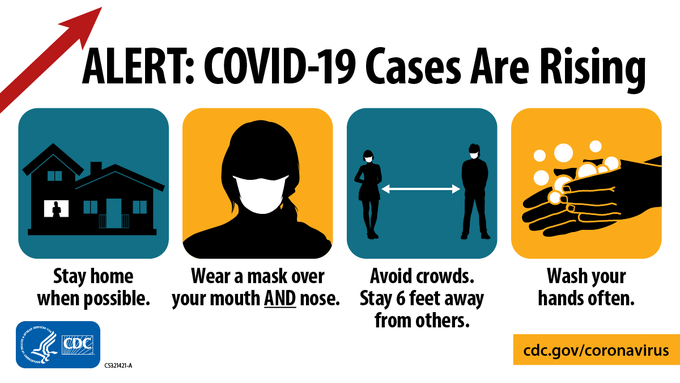
As COVID-19 cases continue to rise, many public health officials stress why not traveling and not gathering with family and friends is the safest choice for the holidays.

Throughout this challenging time, your health and safety should remain your top priority. Protect yourself and your loved ones with the help of this COVID Coach.

It’s hard to know where you’re going if you don’t know where you are.


References:

  1. https://www.wired.com/story/this-mental-health-app-is-tailor-made-for-your-pandemic-woes/?utm_source=twitter&utm_medium=social&utm_campaign=onsite-share&utm_brand=wired&utm_social-type=earned
  2. https://static1.squarespace.com/static/52eb2689e4b09fc88a61dbda/t/5fd8fa0c3843d52beda31b68/1608055314773/30DaysofSelfCarewithCOVIDCoach.pdf

Receiving the COVID-19 Vaccine

As fatiguing as 2020 and the COVID-19 pandemic have been, science has stepped up this year to provide humankind with a pair of truly hopeful gifts: the first two FDA approved COVID-19 vaccines.

Two weeks ago, the U.S. Food and Drug Administration (FDA) granted emergency use authorization (EUA) to a COVID-19 vaccine from Pfizer/BioNTech, enabling distribution to begin to certain high-risk groups just three days later.

More recently, the FDA granted an EUA to a COVID-19 vaccine from the biotechnology company Moderna, Cambridge, MA. This messenger RNA (mRNA) vaccine, which is part of a new approach to vaccination, was co-developed by NIH’s National Institute of Allergy and Infectious Diseases (NIAID).

The EUA of the Moderna vaccine is based on data showing the vaccine is safe and 94.5 percent effective at protecting people from infection with SARS-CoV-2, the coronavirus that causes COVID-19.

Messenger-RNA vaccines are safe

The two vaccines currently authorized for EUA in the United States work in a unique way. Their centerpiece is a small, non-infectious snippet of mRNA. Our cells constantly produce thousands of mRNAs, which provide the instructions needed to make proteins. When someone receives an mRNA vaccine for COVID-19, it tells the person’s own cells to make the SARS-CoV-2 spike protein, according to information provided by the National Institute of Allergy and Infectious Diseases (NIAID). The person’s immune system then recognizes the viral spike protein as foreign and produces antibodies to eliminate it.

This vaccine-spurred encounter trains the human immune system to remember the spike protein. So, if an actual SARS-CoV-2 virus tries to infect a vaccinated person weeks or months later, his or her immune system will be ready to fend it off. To produce the most vigorous and durable immunity against the virus, people will need to get two shots of mRNA vaccine, which are spaced several weeks to a month apart, depending on the vaccine.

Some misinformed individuals (or trolls) have raised concerns on social media that mRNA vaccines might alter the DNA genome of someone being vaccinated. But that’s not possible, since this mRNA doesn’t enter the nucleus of the cell where DNA is located. Instead, the vaccine mRNAs stay in the outer part of the cell (the cytoplasm).

NIAID Director Dr. Anthony Fauci received Moderna’s COVID19 vaccine, co-developed with NIH. It’s imperative that you roll up your sleeve and accept the potentially life-saving gift of a COVID-19 vaccine. Accepting this gift is your best chance to put this pandemic behind you and your family, as we look forward to a better new year.

Vaccines are the best hope for the nation to overcome the COVID-19 pandemic, public surveys indicate that some people are uneasy about accepting this disease-preventing vaccine. Some have even indicated they will refuse to take the vaccine. Healthy skepticism is a good thing, but decisions like this ought to be based on weighing the evidence of benefit versus risk.

The results of the Pfizer and Moderna trials, all released for complete public scrutiny, indicate the potential benefits are high and the risks, low. Despite the impressive speed at which the new COVID-19 vaccines were developed, they have undergone and continue to undergo a rigorous process to generate all the data needed by the FDA to determine their long-term safety and effectiveness.

Unfortunately, the gift of COVID-19 vaccines comes too late for the more than 313,000 Americans who have died from complications of COVID-19, and many others who’ve had their lives disrupted and may have to contend with long-term health consequences related to COVID-19. The vaccines did arrive in record time, but all of us wish they could somehow have arrived even sooner to avert such widespread suffering and heartbreak.

It will be many months before all Americans who are willing to get a vaccine can be immunized. We need 75-80 percent of Americans to receive vaccines in order to attain the so-called “herd immunity” needed to drive SARS-CoV-2 away and allow us all to get back to a semblance of normal personal and professional life.


References:

  1. https://directorsblog.nih.gov/2020/12/22/celebrating-the-gift-of-covid-19-vaccines/

Top Five Global Investment Risks In 2021 | Charles Schwab

The top five global risks for investors in 2021 are all surprises to the consensus view:

  • Problems with the vaccine rollout,
  • Geopolitical and trade tensions do not subside,
  • Fiscal and/or monetary policy tightens,
  • A “zombie” economy, and
  • Interest rate/dollar shock.

History demonstrates that the biggest financial risks in a typical year aren’t usually from out of left field (although a black swan did occur in 2020 with the COVID-19 outbreak). Rather, they are often hiding in plain sight.

Risk appears when there is a very high degree of confidence among market participants in a specific outcome that doesn’t pan out. So, by identifying the unexpected, here are the top five downside global risks for investors in 2021. To read more: https://www.schwab.com/resource-center/insights/content/top-five-global-investment-risks-2021?cmp=em-QYD

Be prepared

Whether or not these particular risks come to pass, a new year almost always brings surprises of one form or another. Having a well-balanced, diversified portfolio and being prepared with a plan in the event of an unexpected outcome are keys to successful investing.


References:

  1. https://www.schwab.com/resource-center/insights/content/top-five-global-investment-risks-2021?cmp=em-QYD

COVID-19 and PTSD

The coronavirus (COVID-19) pandemic and the economic hardships it has created will take a significant emotional as well as a physical toll on Americans in the coming months and years, according to the Centers for Disease Control and Prevention (CDC).  It is not uncommon to experience some level of stress reactions or PTSD after a trauma or event such as the COVID-19 pandemic. Many people can feel detached or down, have sleep problems like nightmares, or have flashbacks where they feel the event is happening again.

During the COVID-19 pandemic, you may experience stress, anxiety, fear, sadness and loneliness. And mental health disorders, including anxiety and depression, can worsen.  Surveys show a major increase in the number of U.S. adults who report symptoms of stress, anxiety and depression during the pandemic, compared with surveys before the pandemic, according to the Mayo Clinic. Some people have increased their use of alcohol or drugs, thinking that can help them cope with their fears about the pandemic. In reality, using these substances can worsen anxiety and depression.

What is PTSD?

U.S. Veterans Administration (VA) defines PTSD (posttraumatic stress disorder) as a mental health problem that some people develop after experiencing or witnessing a life-threatening event, like combat, a pandemic or natural disaster, a car accident, or sexual assault.  Symptoms may include flashbacks, nightmares and severe anxiety, as well as uncontrollable thoughts about the event.

Most people who go through traumatic events may have temporary difficulty adjusting and coping, but with time and good self-care, they usually get better. If the symptoms get worse, last for months or even years, and interfere with your day-to-day functioning, you may have PTSD.

It’s normal to have upsetting memories, feel on edge, or have trouble sleeping after this type of event, according to VA. At first, it may be hard to do normal daily activities, like go to work, go to school, or spend time with people you care about. But most people start to feel better after a few weeks or months.

If it’s been longer than a few months and you’re still having symptoms, you may have PTSD.  For some people, PTSD symptoms may start later on, or they may come and go over time.

How people respond to these normal reactions may make the difference between long-lasting symptoms and short-lived problems.  There are treatments and strategies that work for PTSD that can help with the stress, grief, and anxiety that many people are feeling. If you have PTSD, or have symptoms that last longer than a few months after the traumatic event is over, your best chance of getting better is by working with a mental health or medical provider.

During this kind of event, you may not have any control over what’s happening, and you may feel very afraid. Anyone who has gone through something like this can develop PTSD.

Self-care strategies

Self-care strategies are good for your mental and physical health and can help you take charge of your life. Take care of your body and your mind and connect with others to benefit your mental health.  To reduce stress triggers:

  • Keep your regular routine. Maintaining a regular schedule is important to your mental health. In addition to sticking to a regular bedtime routine, keep consistent times for meals, bathing and getting dressed, work or study schedules, and exercise. Also set aside time for activities you enjoy. This predictability can make you feel more in control.
  • Limit exposure to news media. Constant news about COVID-19 from all types of media can heighten fears about the disease. Limit social media that may expose you to rumors and false information. Also limit reading, hearing or watching other news, but keep up to date on national and local recommendations. Look for reliable sources, such as the U.S. Centers for Disease Control and Prevention (CDC) and the World Health Organization (WHO).
  • Stay busy. A distraction can get you away from the cycle of negative thoughts that feed anxiety and depression. Enjoy hobbies that you can do at home, identify a new project or clean out that closet you promised you’d get to. Doing something positive to manage anxiety is a healthy coping strategy.
  • Focus on positive thoughts. Choose to focus on the positive things in your life, instead of dwelling on how bad you feel. Consider starting each day by listing things you are thankful for. Maintain a sense of hope, work to accept changes as they occur and try to keep problems in perspective.
  • Use your moral compass or spiritual life for support. If you draw strength from a belief system, it can bring you comfort during difficult times.
  • Set priorities. Don’t become overwhelmed by creating a life-changing list of things to achieve while you’re home. Set reasonable goals each day and outline steps you can take to reach those goals. Give yourself credit for every step in the right direction, no matter how small. And recognize that some days will be better than others.
  • Make connections. If you need to stay at home and distance yourself from others, avoid social isolation. Find time each day to make virtual connections by email, texts, phone, or FaceTime or similar apps. If you’re working remotely from home, ask your co-workers how they’re doing and share coping tips. Enjoy virtual socializing and talking to those in your home.

The COVID-19 pandemic can take a mental and emotional toll on anyone.  If you are struggling mentally and emotionally during these difficult times, there are effective treatments for those struggling mentally and emotionally that can help you live a happier, more productive life.


References:

  1. https://www.mayoclinic.org/diseases-conditions/coronavirus/in-depth/mental-health-covid-19/art-20482731
  2. https://www.ptsd.va.gov/gethelp/selfhelp_coping.asp
  3. https://www.mayoclinic.org/diseases-conditions/post-traumatic-stress-disorder/symptoms-causes/syc-20355967
  4. https://www.ptsd.va.gov/publications/print/understandingptsd_booklet.pdf

Federal Stimulus and Relief Package Approved

Congress has finally finalized the details on a stimulus package with a catchall measure to fund all federal spending for the remainder of the fiscal year ending in September 2021. This was accomplished after months of political gamesmanship between the two parties and Congress was at the peak of its dysfunction at the expense and added suffering of the American public.

Both chambers approved the measure and President Trump was expected to sign it. Final votes on the spending package were expected to approve it and clear it for Mr. Trump’s signature, but had yet to be scheduled. Once approved and signed, the emergency recovery plan would:

  • Provide funds for vaccine distribution.
  • Send direct payments of $600 to many Americans
  • Provide enhanced federal unemployment benefit payments of $300 per week until early spring
  • Provide food and rental assistance to millions of Americans, and
  • Provide hundreds of billions of dollars of relief to prop up small businesses, schools and other institutions struggling amid the pandemic.

Without action by Congress before the end of the calendar year, two programs designed to expand and enhance unemployment benefits are set to expire in the coming days, leaving about 12 million Americans without federal support. A number of other benefits are set to expire at the end of the year.

“We can finally report what our nation has needed to hear for a very long time,” Senator Mitch McConnell, Republican of Kentucky and the majority leader, said Sunday night. “More help is on the way.”

Both chambers approved the measure on Sunday night, and President Trump was expected to sign it before midnight. Final votes on the spending package were expected as early as Monday to approve it and clear it for Mr. Trump’s signature, but had yet to be scheduled.


References:

  1. https://www.nytimes.com/2020/12/19/us/politics/stimulus-deal-congress.html?referringSource=articleShare

African Americans Disproportionately Dying

African Americans are dying from the coronavirus at almost 3 times the rate of their white counterparts.

Black and Hispanic Americans were disproportionately more likely to die of COVID-19 during the spring and summer months indicating that the coronavirus’s toll is falling most heavily on underserved and minority communities, according to the Centers for Disease Control and Prevention (CDC).

When you consider that African Americans represent 12.5 percent of the population, but account for almost 23 percent of all coronavirus deaths, the COVID-19 pandemic is disproportionately decimating the black working class communities across the country.

Coronavirus has become the third leading cause of death of citizens in the United States in calendar year 2020. The virus has killed more than 300,000 since arriving on U.S. shores, making it a leading cause of death after heart disease and cancer.

In 2018, the 10 leading causes of death for all Americans (heart disease, cancer, unintentional injuries, chronic lower respiratory diseases, stroke, Alzheimer disease, diabetes, influenza and pneumonia, kidney disease, and suicide) remained the same as in 2017. The 10 leading causes accounted for 73.8% of all deaths in the United States in 2018.

The Centers for Disease Control and Prevention (CDC) maintains a provisional death count related to COVID-19. The deaths counted in that data are well below those compiled from the state and county levels because the provisional count is based on death certificates that may take weeks to filter up to the federal agency.

With respect to controlling the pandemic, Martin Luther King Jr. once declared “Whatever affects one directly, affects all indirectly.” This is definitely true for epidemiology and controlling the pandemic. To protect the health of all us, we must insure the health of the most vulnerable among us.

How to control COVID-19 is not a mystery — it requires wearing masks, social physical distancing of 6 feet, frequent washing of hands, widespread contact tracing and COVID testing and widespread vaccination. However, these efforts to combat the pandemic require people to trust the science and those behind the public health measures.

In the nationwide fight against the COVID-19 pandemic, well founded mistrust has developed over decades by African Americans of the government, public health officials and ‘the science’ can and has killed a disproportionate share of working class Blacks and other people of color.


References:

  1. https://www.cdc.gov/nchs/nvss/vsrr/covid19/
  2. https://www.usatoday.com/story/opinion/2020/09/09/covid-19-disproportionate-effect-african-americans-and-how-control-column/5679676002/
  3. https://www.cdc.gov/nchs/nvss/vsrr/covid19/tech_notes.htm

Masks Protect Those Around You

Image

COVID-19 spreads mainly from person to person through respiratory droplets. Respiratory droplets travel into the air when you cough, sneeze, talk, shout, or sing. These droplets can then land in the mouths or noses of people who are near you or they may breathe these droplets in.

Masks are a simple barrier to help prevent your respiratory droplets from reaching others. Studies show that masks reduce the spray of droplets when worn over the nose and mouth.

woman wearing face covering, with a detail showing how the cloth barrier helps to contain respiratory droplets that she exhales

You should wear a mask, even if you do not feel sick. This is because several studies have found that people with COVID-19 who never develop symptoms (asymptomatic) and those who are not yet showing symptoms (pre-symptomatic) can still spread the virus to other people. The main function of wearing a mask is to protect those around you, in case you are infected but not showing symptoms.

It is especially important to wear a mask when you are unable to stay at least 6 feet apart from others since COVID-19 spreads mainly among people who are in close contact with one another (within about 6 feet).

Your mask offers some protection to you

A cloth mask also offers some protection to you too. How well it protects you from breathing in the virus likely depends on the fabrics used and how your mask is made (e.g. the type of fabric, the number of layers of fabric, how well the mask fits). CDC is currently studying these factors.

Who should or should not wear a mask

CDC guidance is that everyone 2 years of age and older should wear a mask in public settings and when they are around people who do not live in their household.  However, according to CDC, masks should not be worn by:

  • Children younger than 2 years old
  • Anyone who has trouble breathing
  • Anyone who is unconscious, incapacitated or otherwise unable to remove the mask without assistance
  • Wearing masks may be difficult for some people with sensory, cognitive, or behavioral issues. If they are unable to wear a mask properly or cannot tolerate a mask, they should not wear one,

https://youtu.be/dSvff0QljHQ

Key Takeaways:

  • People age 2 and older should wear masks in public settings and when around people who don’t live in their household.
  • Masks offer some protection to you and are also meant to protect those around you, in case you are unknowingly infected with the virus that causes COVID-19.
  • A mask is NOT a substitute for social distancing. Masks should still be worn in addition to staying at least 6 feet apart.
  • Wash your hands with soap and water for at least 20 seconds or use hand sanitizer with at least 60% alcohol after touching or removing your mask.
  • Postponing holiday travel & staying home is the best way to protect yourself & others from COVID19. If you decide to travel internationally, check out CDC’s testing recommendations to help make travel safer. 
  • Masks may not be necessary when you are outside by yourself away from others, or with other people who live in your household. However, some localities may have mask mandates while out in public and these mandates should always be followed.


References:

  1. https://www.cdc.gov/coronavirus/2019-ncov/prevent-getting-sick/cloth-face-cover-guidance.html